
Quick and Easy Ways to Prevent Blocked Drains

Ever had that sinking feeling when water starts pooling around your feet in the shower? Or watched in horror as your kitchen sink refuses to drain after washing the dishes? Perhaps you've noticed a strange gurgling sound coming from your pipes that makes you wonder what on earth is happening down there? If any of these scenarios sound familiar, you're definitely not alone.
Blocked drains are one of the most common household headaches Australian homeowners face. They're inconvenient, often smelly, and can lead to some pretty hefty plumbing bills if left unchecked. The good news? Most drain blockages are completely preventable with just a few simple habits and regular maintenance. You don't need to be a plumbing expert to keep your drains flowing smoothly.
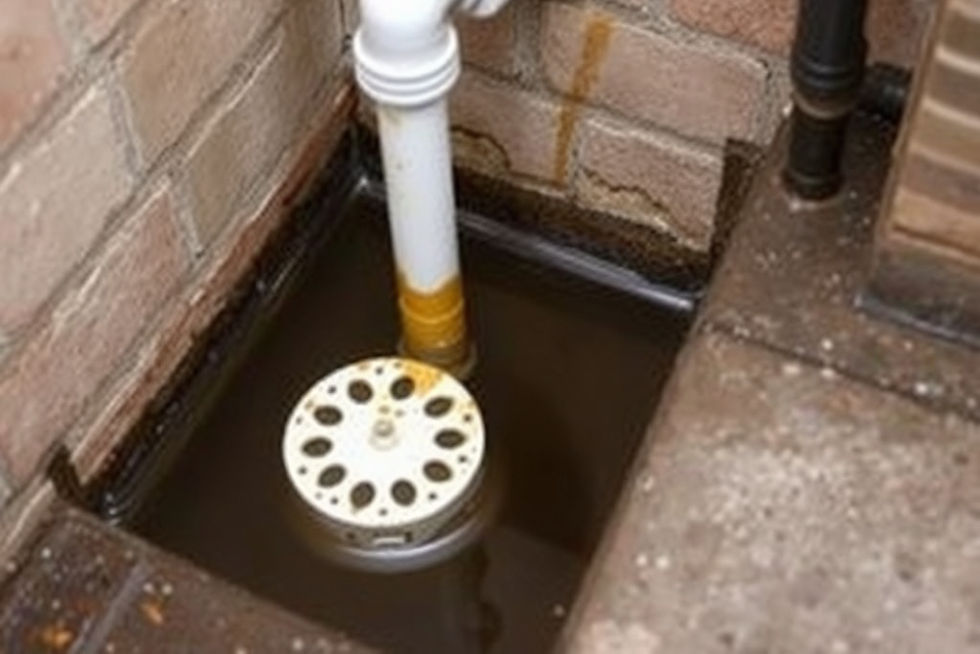
In this guide, we'll walk you through everything you need to know about preventing blocked drains. From understanding what causes them in the first place to learning the best cleaning methods and knowing when it's time to call in the professionals, we've got you covered. By the end, you'll have all the knowledge you need to save yourself from unnecessary stress and keep more money in your pocket. Let's get stuck into it.
What Causes Blocked Drains in the First Place?
Before we tackle prevention, it's worth understanding what's actually causing those annoying blockages. Different areas of your home face different challenges, and knowing your enemy is half the battle.
Kitchen Culprits: Grease, Food Scraps and Oil Build-Up
Your kitchen sink works overtime, and it's often the first place blockages develop. Grease and cooking oil are the biggest offenders here. When you pour hot oil down the drain, it seems liquid enough to wash away. The problem? It cools and solidifies inside your pipes, creating a sticky coating that traps food particles and builds up over time.
Food scraps, even tiny ones, contribute to the problem. Rice and pasta swell when wet, coffee grounds clump together, and fibrous vegetables can create stubborn tangles. Before you know it, you've got a full-blown blockage on your hands.
Bathroom Blockages: Hair, Soap Scum and Product Residue
Bathrooms present their own unique challenges. Hair is the main troublemaker here, combining with soap scum to form dense clogs that gradually slow your drainage. Every time you shower or wash your hair, strands slip down the drain and catch on any rough spots inside the pipes.
Soap residue, particularly from bar soaps, leaves a film that builds up over time. Add in toothpaste, shaving cream, and other personal care products, and you've got a recipe for a sluggish drain.
Outdoor Offenders: Tree Roots, Leaves and Garden Debris
Don't forget about your outdoor drains. Tree roots are naturally drawn to moisture and can infiltrate even the smallest cracks in your pipes. Once inside, they grow and expand, causing serious blockages and potential pipe damage.
Leaves, twigs, and garden debris also accumulate in outdoor drains, especially during autumn and after storms. Regular clearing can prevent these natural materials from causing problems.
How Do You Prevent Drains from Clogging?
Now for the practical stuff. Preventing drain blockages doesn't require much effort, just a bit of mindfulness and some simple daily habits.
Simple Daily Habits That Make a Big Difference
The easiest way to prevent blockages is to be careful about what goes down your drains in the first place. In the kitchen, scrape plates thoroughly into the bin before washing. Wipe greasy pans with paper towels before rinsing them. In the bathroom, brush your hair before showering to remove loose strands.
Run hot water down your kitchen sink for 30 seconds after washing dishes. This helps flush away any grease or residue before it has a chance to settle. It's such a small thing, but it makes a real difference.
The Power of Drain Strainers and Guards
Investing in drain strainers is one of the smartest moves you can make. These inexpensive mesh or silicone covers sit over your drain openings and catch hair, food particles, and debris before they enter your pipes.
- Kitchen sink strainers catch food scraps and prevent them from washing away
- Shower drain guards trap hair before it goes down the drain
- Bath plug strainers work similarly, protecting your bathtub drain
Clean them regularly; simply empty the collected debris into your bin and give them a quick rinse.
What to Never Put Down Your Drain
Some things should absolutely never go down your drains:
- Cooking oil, grease, or fat
- Coffee grounds
- Pasta, rice, or bread
- Eggshells
- Fibrous vegetables like celery
- Cotton buds or dental floss
- "Flushable" wipes (they're not actually flushable!)
Making a mental note of these items will save you plenty of trouble down the track.
What Is the Best Thing to Keep Drains Clear?
Regular cleaning is essential for maintaining clear drains. Fortunately, you've got several effective options to choose from.
Natural Cleaning Solutions: Bi-Carb Soda and Vinegar
This classic combination works wonders for routine drain maintenance. Pour half a cup of bi-carb soda down your drain, followed by half a cup of white vinegar. You'll hear a satisfying fizzing sound as the mixture works its magic, breaking down minor build-up and deodorizing your pipes.
Leave it to work for 15-30 minutes, then flush with hot water. It's affordable, environmentally friendly, and surprisingly effective for regular upkeep.
Hot Water Flushing: When and How Often
Boiling water is your simplest weapon against grease build-up. Once a week, pour a kettle of boiling water slowly down your kitchen sink to help dissolve and flush away any accumulated grease.
A word of caution though only use boiling water on metal pipes. If you have PVC pipes, use very hot tap water instead to avoid potential damage.
Enzyme-Based Drain Cleaners vs Chemical Products
Enzyme-based cleaners use natural bacteria to break down organic matter in your pipes. They're gentler on your plumbing and the environment, making them ideal for regular maintenance.
Chemical drain cleaners work faster but can damage pipes over time, particularly older ones. They're also harsh on the environment. If you do use them, save them for stubborn blockages rather than routine cleaning.
How Often Should You Clean Your Drains to Prevent Blockages?
Consistency is key when it comes to drain maintenance. Here's a practical schedule to follow.
Weekly Maintenance Tasks
Every week, give your drains a quick flush with hot water. Clean your drain strainers and remove any visible debris from drain openings. This takes just a few minutes but prevents small problems from becoming big ones.
Monthly Deep Cleaning Routines
Once a month, use your bi-carb soda and vinegar treatment on all household drains. Check outdoor drains for debris accumulation and clear any leaves or buildup. Take a moment to listen for any unusual gurgling sounds that might indicate developing problems.
Seasonal Checks for Australian Homes
Australian seasons bring specific challenges. In autumn, pay extra attention to outdoor drains as leaves fall. Summer storms can wash debris into your drainage system, so check after heavy rainfall. Before winter, make sure your drains are clear to handle increased rainfall.
Can Blocked Drains Clear Themselves?
This is a question many homeowners ask when they notice their drain running slowly. The answer depends on the severity of the blockage.
When Minor Blockages Might Resolve
Very minor blockages caused by soap buildup might gradually clear with regular water flow. Small accumulations of debris can sometimes wash through over time. However, relying on this is risky; most blockages will only worsen without intervention.
Warning Signs You Shouldn't Ignore
Some symptoms demand immediate attention:
- Water draining noticeably slower than usual
- Gurgling sounds from your drains
- Unpleasant odours coming from drain openings
- Water backing up in sinks, showers, or toilets
- Multiple drains blocking simultaneously
If you notice any of these signs, take action quickly rather than hoping the problem resolves itself.

DIY Drain Maintenance Tools Every Homeowner Needs
Having the right tools on hand makes drain maintenance much easier.
Plungers, Drain Snakes and Zip-It Tools
A good plunger should be in every home. Cup plungers work best for sinks, while flange plungers are designed for toilets. Drain snakes, also called augers, can reach deeper into pipes to dislodge stubborn blockages. Zip-it tools are brilliant for pulling hair clogs from bathroom drains; they're cheap and incredibly effective.
Using Them Safely and Effectively
When plunging, make sure there's enough water to cover the cup and create proper suction. Push down firmly, then pull up sharply. Repeat several times. With drain snakes, insert slowly and rotate as you push forward. When you feel resistance, you've likely found the blockage.
When to Call a Professional Plumber
Sometimes, DIY methods just aren't enough. Knowing when to call in the experts can save you from costly damage.
Signs of Serious Drain Problems
Persistent blockages that return despite your best efforts suggest a deeper issue. Multiple drains blocking at once often indicates a main line problem. Sewage smells, visible dampness around pipes, or water backing up into unusual places all warrant professional attention.
Benefits of Professional Drain Inspections
Professional plumbers have access to CCTV cameras that can identify problems you'd never spot yourself. They can detect tree root intrusion, pipe damage, and buildup deep within your system. Annual inspections are a worthwhile investment for older homes or properties with mature trees nearby.
Small Steps to Keep Your Drains Flowing Freely
Preventing blocked drains really comes down to mindfulness and consistency. By being careful about what goes down your drains, using strainers, and maintaining a regular cleaning routine, you'll avoid the vast majority of blockages before they start.
The simple habits we've covered, running hot water after washing dishes, cleaning strainers weekly, and using natural cleaning solutions monthly, require minimal effort but deliver significant results. Think of it as preventative care for your home's plumbing system.
So next time you're about to pour that cooking oil down the sink or skip your weekly drain flush, remember that a few minutes of prevention today can save you hours of frustration and considerable expense tomorrow. Your drains will thank you, and so will your wallet. Here's to free-flowing pipes and stress-free plumbing!


Comments