
Complete Checklist for Heating and Cooling Installation

Are you planning to install a new heating and cooling system in your Blackburn home? Wondering what steps, you need to take to ensure everything goes smoothly? Perhaps you're feeling overwhelmed by all the technical details and just want a straightforward guide to follow?
You're not alone. Installing a heating and cooling system is a significant investment and getting it right the first time saves you money, stress, and countless headaches down the track. Whether you're building a new home or upgrading an existing system, having a proper checklist makes all the difference between a seamless experience and a frustrating one.
In this comprehensive guide, we'll walk you through everything you need to know about heating and cooling Blackburn installations. From pre-installation considerations and choosing the right system for our local climate, to finding qualified installers and maintaining your investment for years to come. By the end, you'll have a clear roadmap for your project and the confidence to make informed decisions. Let's get stuck into it!

Before You Begin: Pre-Installation Considerations
Assessing Your Home's Heating and Cooling Needs
Before you even start looking at systems, take time to evaluate what your home actually requires. Consider the size of your property, the number of rooms you need to heat or cool, and your family's comfort preferences. A system that's too small won't keep you comfortable, while an oversized unit wastes energy and money.
Think about your home's insulation quality too. Older Blackburn homes might have gaps around windows and doors that affect efficiency. Getting a professional assessment can highlight these issues before installation begins.
Choosing the Right System for Blackburn's Climate
Blackburn experiences Melbourne's classic four-season weather – hot summers, cold winters, and everything in between. This means you'll want a system that handles both extremes effectively. Split systems, ducted reverse-cycle units, and multi-head systems are all popular choices in our area.
Consider how you use different spaces throughout the day. Open-plan living areas have different requirements compared to bedrooms. A qualified air conditioning Blackburn specialist can recommend the best configuration for your specific situation.
Understanding Energy Efficiency Ratings in Australia
Energy ratings matter more than most people realise. In Australia, we use star ratings to indicate how efficient a system is – more stars mean lower running costs. Look for systems with high Energy Rating Labels, particularly if you'll be using your heating and cooling frequently.
The initial purchase price is just one part of the equation. A more efficient system might cost more upfront but saves significantly on electricity bills over its lifetime. When comparing options, always factor in these long-term costs.
Selecting a Qualified Installer for Air Conditioning Blackburn
What Qualifications Should HVAC Installers Have?
Not all installers are created equal. In Australia, HVAC technicians must hold appropriate refrigerant handling licences and electrical qualifications. Ask potential installers about their certifications and whether they're members of professional associations like the Australian Refrigeration Council.
Experience matters too. An installer who's worked extensively with your chosen brand or system type will complete the job more efficiently and spot potential issues before they become problems.
Questions to Ask Before Hiring
Before signing any contracts, get clear answers to these questions: How long have you been installing systems in Blackburn? Can you provide references from recent jobs? What warranty do you offer on your workmanship? Will you handle council permits if required?
Also ask about their air conditioning unit inspection process before installation. A thorough pre-installation inspection ensures the unit arrives in perfect condition and meets all specifications. Don't be shy about requesting written quotes that detail exactly what's included.
The Complete Heating and Cooling Installation Checklist
Site Inspection and Preparation
A proper site inspection identifies the best locations for indoor and outdoor units. Your installer should assess wall strength, clearance requirements, and accessibility for future maintenance. They'll also check electrical capacity and whether any upgrades are needed.
Preparation involves clearing the work area, protecting flooring and furniture, and ensuring safe access throughout your home. Good installers communicate clearly about what you need to do before they arrive.
Ductwork Assessment and Installation
For ducted systems, existing ductwork needs careful evaluation. Leaky or damaged ducts dramatically reduce efficiency and comfort. Your installer should inspect all accessible sections and recommend repairs or replacements where necessary.
New ductwork installation requires precise sizing calculations. Ducts that are too small restrict airflow, while oversized ducts waste energy. Professional installers use industry-standard methods to calculate exact requirements.
Air Conditioning Unit Inspection Before Installation
Before any unit gets installed, a thorough air conditioning unit inspection is essential. This includes checking for shipping damage, verifying model numbers match your order, and confirming all components are present. Any issues discovered at this stage are much easier to resolve.
The inspection should also verify that refrigerant levels are correct and electrical connections are sound. Documentation of this inspection protects you if problems arise later.
Electrical and Safety Requirements
Heating and cooling systems require dedicated electrical circuits in most cases. Your installer should coordinate with a licensed electrician to ensure all wiring meets Australian standards. Never let anyone cut corners on electrical work – it's a safety issue.
Circuit breakers and isolation switches must be correctly sized and accessible. Your installer should explain where these are located and how to use them safely.
Thermostat Placement and Setup
Where you place your thermostat significantly affects system performance. It should be positioned away from direct sunlight, heat sources, and draughty areas. The ideal location is on an interior wall at chest height in a commonly used room.
Modern smart thermostats offer programmable schedules and remote control via smartphone apps. Your installer should walk you through all features and help you set up initial programming.
Final Testing and Commissioning
Once installation is complete, comprehensive testing ensures everything works correctly. This includes checking airflow from all vents, verifying temperature accuracy, and testing all operating modes. The system should cycle through heating and cooling without strange noises or vibrations.
Your installer should provide a commissioning report documenting all test results. Keep this with your warranty paperwork for future reference.
Post-Installation: What to Expect in the First Week
During the first week, pay attention to how your new system performs. It's normal to notice some settling sounds as components bed in. However, persistent rattling, grinding, or unusual odours should be reported to your installer immediately.
Run the system through both heating and cooling modes to ensure everything functions as expected. Check that all rooms reach comfortable temperatures within reasonable timeframes. This is also when you'll get familiar with thermostat controls and find your preferred settings.
Home Air Conditioner Maintenance: Keeping Your System Running Smoothly
The Essential Air Conditioning Service Checklist
Regular home air conditioner maintenance keeps your system efficient and extends its lifespan. Your air conditioning service checklist should include monthly filter checks, quarterly coil cleaning, and annual professional servicing. Clean filters alone can improve efficiency by up to 15%.
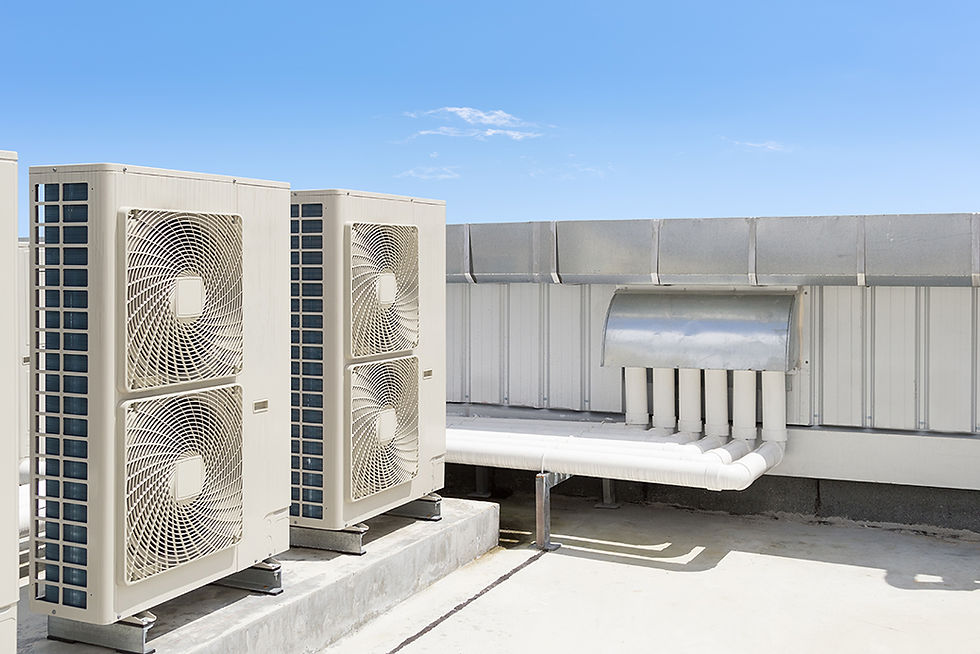
Keep outdoor units clear of debris, leaves, and overgrown vegetation. Maintain at least 30 centimetres of clearance on all sides for proper airflow. Check that drainage lines aren't blocked – a clogged drain can cause water damage and system shutdowns.
Heating and Cooling System Maintenance Basics
Heating and cooling system maintenance isn't complicated, but consistency is key. Create a schedule and stick to it. Simple tasks like cleaning filters take just minutes but make a real difference to performance and air quality.
Listen for changes in how your system sounds during operation. Unusual noises often indicate developing problems that are cheaper to fix when caught early. Similarly, monitor your energy bills – unexpected increases might signal efficiency issues.
Annual AC Maintenance: Why Yearly Servicing Matters
What Does Annual Air Conditioner Maintenance Include?
Professional annual ac maintenance goes beyond what you can do yourself. Technicians check refrigerant levels, inspect electrical connections, clean internal components, and calibrate controls. They'll spot worn parts before they fail and recommend preventive replacements.
Annual air conditioner maintenance also includes checking ductwork for leaks and verifying system efficiency against manufacturer specifications. This thorough approach catches problems that DIY maintenance might miss.
How Often Should You Service Your Heating and Cooling System?
Most manufacturers recommend professional servicing at least once yearly. However, if you use your system heavily or have allergy sufferers in your home, twice-yearly servicing might be worthwhile. Your air conditioner yearly maintenance should ideally happen before peak seasons – spring for cooling, autumn for heating.
Air Conditioner Yearly Maintenance Schedule
Create a yearly ac maintenance calendar that includes both DIY tasks and professional servicing. Monthly filter checks, quarterly deep cleans, and annual professional inspections form a solid foundation. Keeping records helps track when components were last serviced and anticipate future needs.
Common Installation Mistakes to Avoid
Incorrect sizing is the most common installation error. An undersized system struggles to maintain comfort, while oversized units cycle frequently, increasing wear and reducing efficiency. Always insist on proper load calculations before choosing a system.
Poor placement of outdoor units causes problems too. Units in direct afternoon sun work harder and cost more to run. Similarly, installing indoor units where furniture blocks airflow wastes energy and creates hot or cold spots.
Cost Considerations for Heating and Cooling Blackburn Residents
Budget for more than just the equipment purchase price. Installation costs vary based on complexity, and you might need electrical upgrades or ductwork modifications. Get detailed quotes that break down all expenses before committing.
Remember that quality installation by experienced professionals might cost more initially but prevents expensive problems later. Cheap installations often lead to warranty issues, poor performance, and premature system failure.
Your Next Steps for a Successful Installation
Installing a heating and cooling system is a significant decision that affects your comfort and finances for years to come. By following this checklist, you're setting yourself up for success. Take time to research your options, choose qualified installers, and understand what's involved at each stage.
The effort you put into planning and preparation pays dividends in system performance, energy efficiency, and peace of mind. Don't rush the process – get multiple quotes, ask plenty of questions, and make sure you're comfortable with your chosen installer before work begins.
Ready to get started on your heating and cooling Blackburn project? Reach out to local professionals, schedule consultations, and take that first step toward year-round comfort in your home. Your future self will thank you for doing it right the first time!


Comments